7 Easy Ways to Purify Water in Survival Emergencies
In the following video, we show you 7 easy and affordable techniques to purify water in case of a survival emergency.
If you ever find yourself in a true survival situation, whether you’re lost while hiking, backpacking in the wild, or living through a natural disaster that caused civilization to go down, there are lots of things to worry about.
Maybe the most important thing you have to be concerned about is your water supply. In fact, if you don’t address your hydration issues with a water purification approach, your situation will gradually deteriorate.
Why Is Water so Important?
Drinking fresh, clean water is critical. If not, you are at risk of severe dehydration. The symptoms you could face include weakness, nausea, decreased mental capacity, severe headaches, and loss of appetite.
You can lose as much as a gallon of water a day through sweating and urination. If you plan to stay active and healthy, this water must be replaced.
Why do you need to Purify Water?
In most parts of the world, surface water is not pure and often contains impurities.
As a general rule, you should avoid drinking water that is murky or has been contaminated with toxic chemicals like pesticides, herbicides, or fertilizers. Even clear water can house bacteria and viruses that can cause life-threatening infections like dysentery and symptoms like diarrhea.

Giardia lamblia is a common parasite found in even the most remote water sources. In general, Giardia is found on surfaces or in soil, food, or water that has been contaminated with feces (poop) from infected people or animals.
The most common way people get sick is by swallowing contaminated drinking water or recreational water (for example, lakes, rivers, or pools). It is found worldwide and all over the United States. Giardia causes diarrhea, which leads to dehydration.
Even the urge to drink dubious quality water when you’re thirsty would be pointless, because the amount of fluid you lose through diarrhea and vomiting could be greater than the amount you’d obtain from drinking contaminated water.
There is plenty of clean drinking water around the world, but you’ll be in trouble if you can’t find it or purify it when you need it.
Thankfully, there are many water purification strategies to know in survival situations that could save your life if you know how to use them.
1. Use a Water Filter
The simplest way to purify water is to filter it as soon as possible after collection.
Some of the options you have for filtering water include the following:
Gravity Water Filters
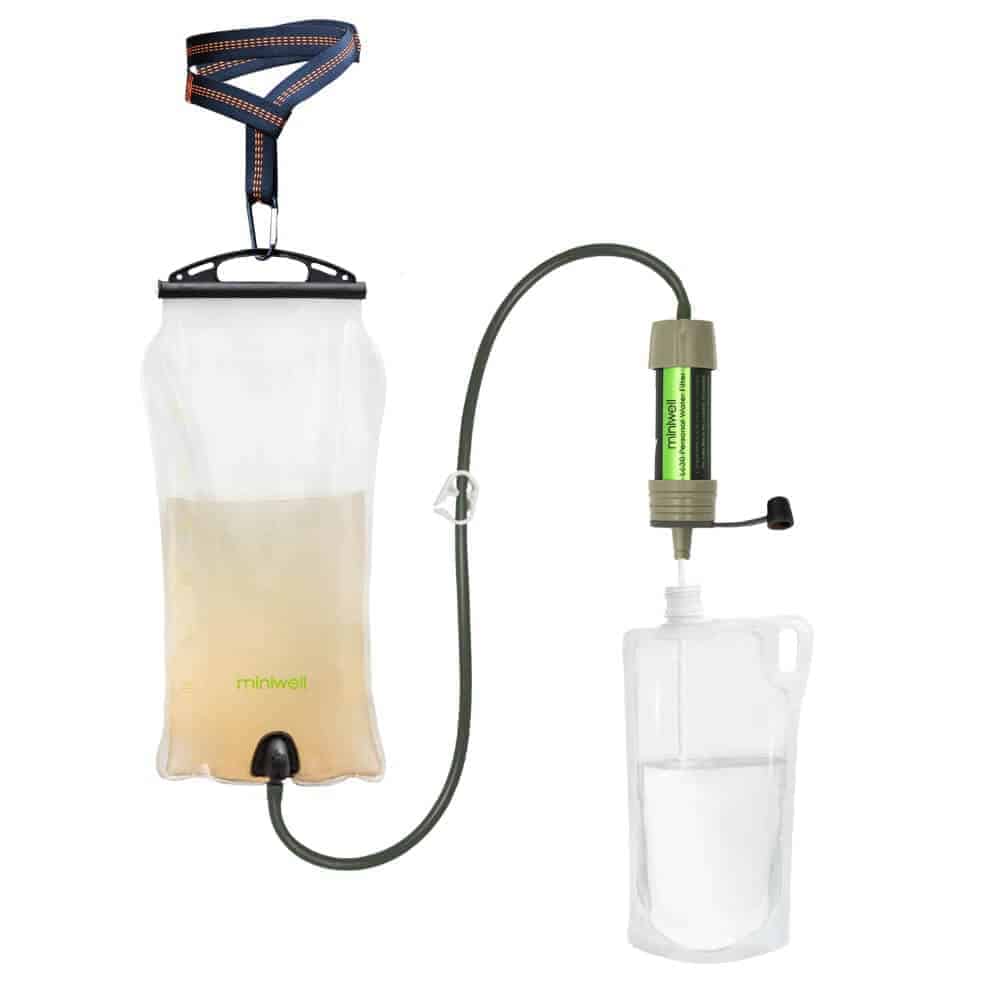
Gravity water filters use gravity to force water through hollow membranes that filter out pollutants, making the water safe to drink.
They have the advantage of being more robust than conventional filters with moving parts, although the filtration process itself can be slow.
Systems like the Miniwell DIY Gravity Filtration Set provide separate reservoirs for dirty and cleansed water, making the procedure simple.
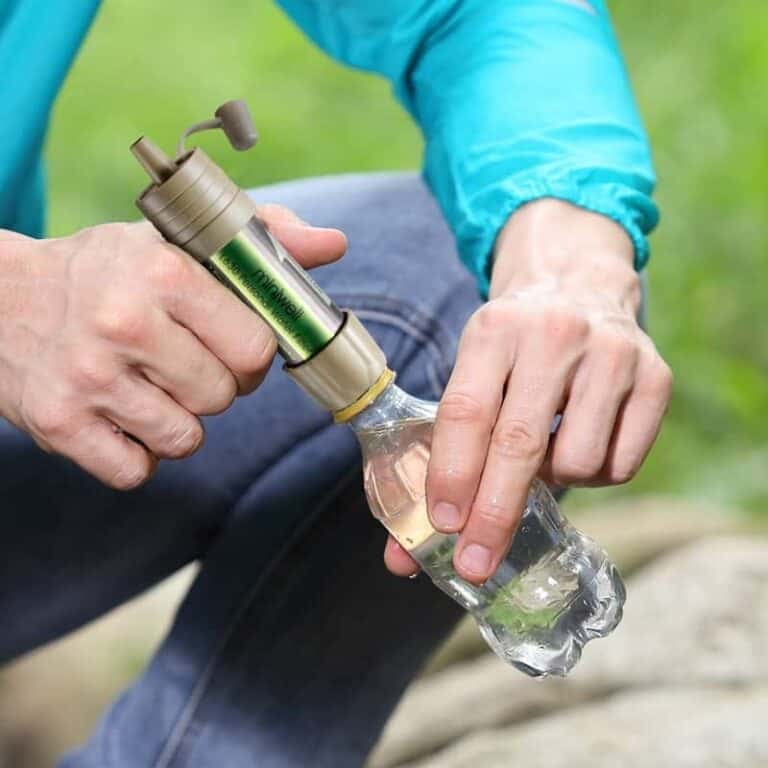
Water Filter Straws
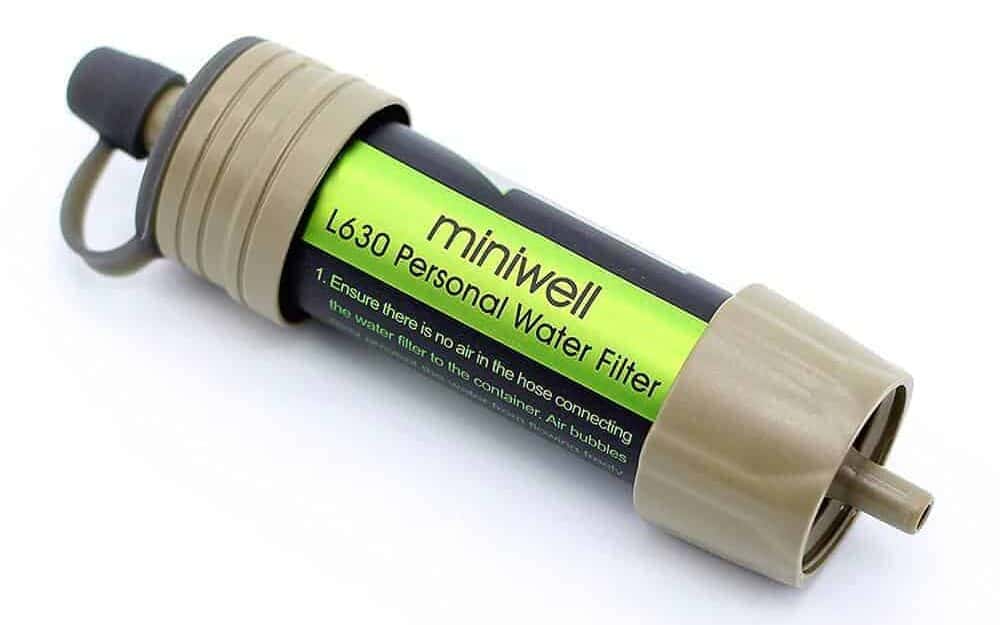
A survival straw, such as the Miniwell L630 Personal Water Filter Straw, is a novel solution for easy water filtration.
This is a device that can purify water as quickly as you can drink it from a contaminated source.
These straws can remove 99.9% of dangerous bacteria and provide up to 1,000 liters of pure water before needing to be replaced.
Also, consider a water bottle with a built-in filter as an ultra-convenient choice. This enables you to fill it with untreated water and drink it straight away.
Pump-action filters
Pump-action filters drive untreated water through a filter cartridge using a pump system.
This takes bacteria, particulates and other impurities out of the water, leaving you with clean water right away.
2. UV Light Sanitizer Water Bottle
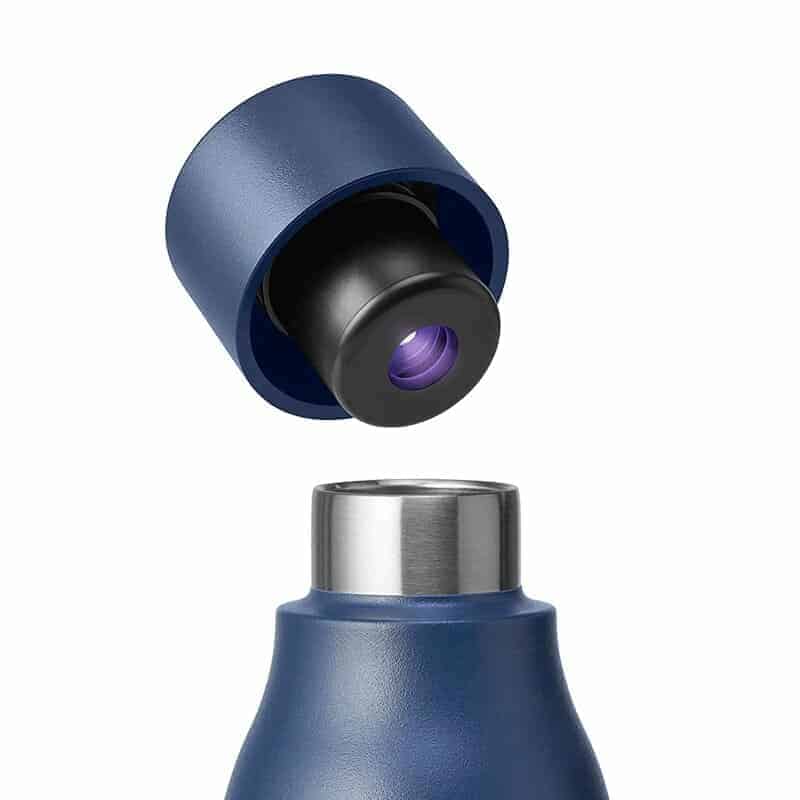
The use of a UV light sanitizer is a powerful way to kill microorganisms, making it an effective way to eliminate waterborne pathogens from your drinking supply.
UV light emits electromagnetic energy that can suppress the ability of microorganisms to reproduce and can kill germs by triggering mutations and cell death.
UV light disinfects water containing bacteria and viruses and can be effective against protozoans like Giardia lamblia cysts or Cryptosporidium oocysts.
For the best portable option, it’s smart to look into using a water bottle with a built-in UV light filter.
KEY BENEFITS OF USING UV LIGHT SANITIZER WATER BOTTLE:

• Affordable
• Environmentally-friendly
• Effective - Kills rapidly (starting within seconds) with a proven ability to be able to deploy it safely to kill bacteria, mold, fungi, and even viruses
• Microbes cannot develop resistance to this technology
UV light can not remove any chemicals from water nor improve the taste and odor of the water. It simply isn’t designed for either.
3. Solar Water Disinfection (SODIS)
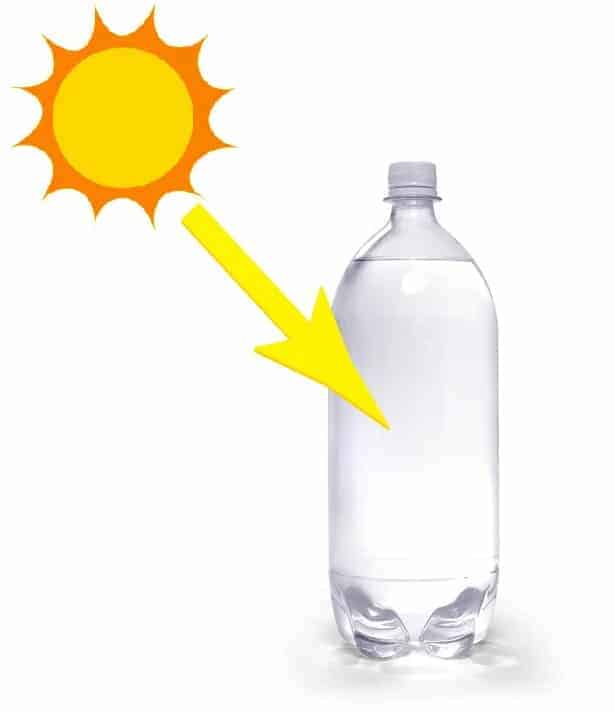
Solar water disinfection (SODIS) is a broad term for purification methods that rely on the sun.
The sun’s rays are powerful enough to eliminate water germs if you know how to use them properly.
The easyest method is to place contaminated water in clear plastic water bottles and leave them out in the sun for at least 1 day.
The sun’s UV rays will kill the bacteria in the water as long as the day remains sunny and hot.
While this approach is simple and inexpensive, it cannot be guaranteed to be effective, thus it should only be used in an emergency if you don’t have any other filtration options.
SODIS works better with smaller bottles, so better choose ones that are less than 2 liters.
4. Using Bleach to Purify Water

Bleach is a powerful cleaning product and it is also remarkably effective at killing microbes.
You can add a dash of bleach to water to purify it and make it safe to drink.
But be careful only to use trace amounts; no more than 4 drops per quart for murky water and 2 drops for clear.
After adding the compound, shake your water bottle vigorously for up to 1 minute, to ensure it has completely diffused into the water.
After that, put it somewhere dark for at least half an hour.
When you re-open the bottle, it should have a mild chlorine odor. The water is now safe to drink.
5. Treat it with iodine
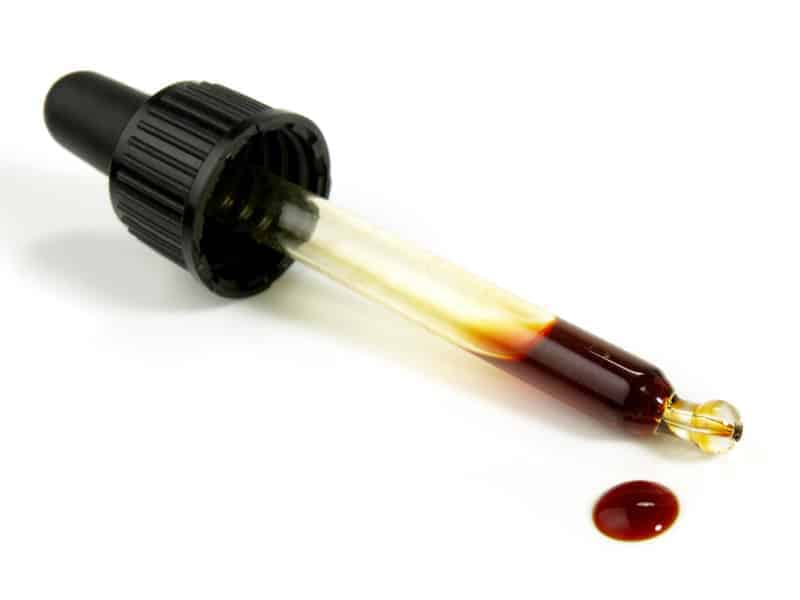
Using iodine is an effective way to disinfect water in a pinch, but you must be careful because high concentrations of this chemical can be harmful to your health.
As a result, it’s vital that you only use a few drops at a time and that you only use a tincture of iodine 2%.
Plan to add 5 drops to a quart of clear water and 10 for cloudy. Then let the mixture sit in the shade for over 30 minutes before drinking it.
As an added advantage, you can also use iodine to disinfect wounds in case of an emergency.
6. Water Purification Tablets
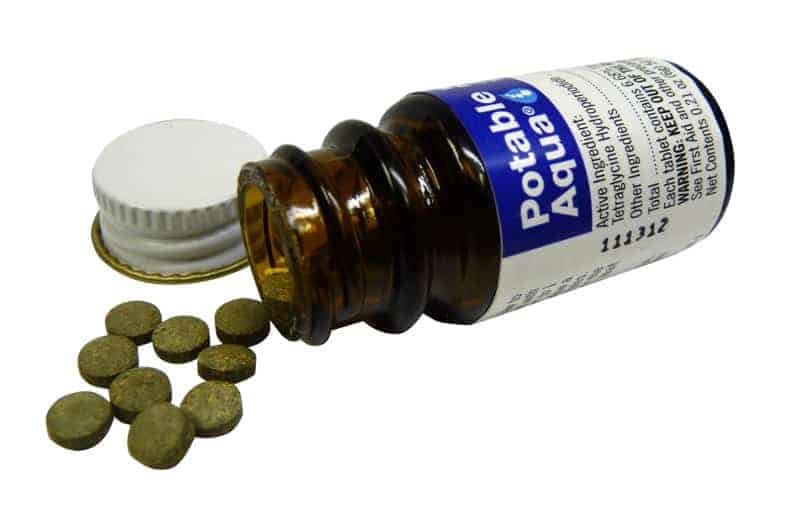
You can easily purify water by adding water purification tablets to it.
Iodine tablets are a basic disinfection strategy that can make water drinkable in 35 minutes, but some people find that they taint the taste of the water in unpleasant ways.
Chlorine dioxide tablets, which react with water to disinfect it, are another option.
After you add 1 tablet to a quart of water, it needs to sit for 4 hours to thoroughly treat it.
7. Boil the Water

You don’t need high-tech equipment to treat water for sanitary reasons; boiling water is a secure method for making it safe to drink.
While high heat conditions can’t evaporate all the chemical pollutants contained within the water, a rolling boil for 5 minutes will destroy the vast majority of hazardous microorganisms, making it one of the safest methods of treatment.
Boiling will also remove the oxygen from the water, leaving it with a funny taste but still safe to drink.
TIP: Pour water back and forth between clean containers to improve its taste.
You can boil water over a campfire or on a camp stove. If you don’t have a heat-proof container handy, you can heat rocks within a fire for half an hour and then add them to a water container. This will kill the bad microbes from the inside out.
But remember: Boiling will NOT neutralize chemical pollutants.
If you have no option for purifying water, should you drink it anyway?
Drinking raw water is always risky, as even pristine-looking wilderness water can contain dangerous bacteria, chemicals, and other contaminants.
But what happens when you have no other options for purifying water? Do you drink straight from the source or get thirsty?
You always need to weigh the risk before drinking.
If going without water puts your health at risk of critical dehydration and death, it’s a good idea to drink up even if that would mean that you would stay sick to your stomach.
If you want to stay on the safe side, on the other hand, always be prepared to filter your own water if the situation calls for it.