What are the differences between pump-style and straw-style portable water filters?
Choosing Your Lifeline: Pump-Style vs. Straw-Style Portable Water Filters
When you’re deep in the backcountry and your Nalgene runs dry, the stream at your feet becomes the most important thing in your world. But as every experienced hiker knows, that crystal-clear water can hide a host of microscopic hitchhikers like Giardia or Cryptosporidium. This is where portable water filters become your most essential piece of gear.
The market is generally split into two primary philosophies of filtration: the manual labor of the pump-style and the lightweight simplicity of the straw-style. Choosing between them isn’t just about price; it’s about how you travel, who you’re with, and how much energy you want to spend just to stay hydrated.
The Pump-Style Filter: The Reliable Workhorse
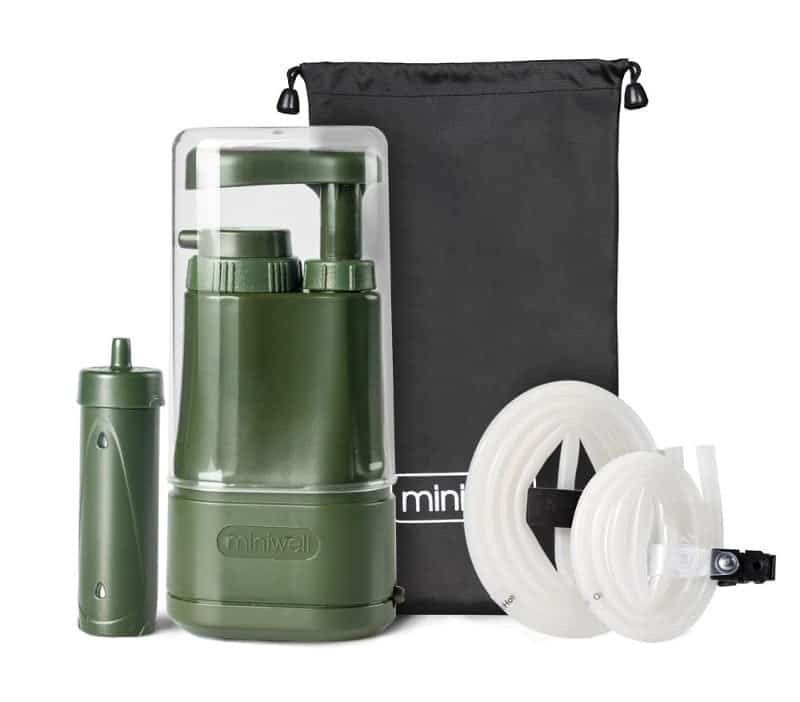
Pump-style filters have been the gold standard for decades. These units consist of a housing containing a filter element (usually ceramic or hollow fiber), an intake hose with a pre-filter, and a manual pump handle.
How They Work
You drop the intake hose into the water source, secure the output to your bottle or bladder, and start pumping. The mechanical pressure forces water through the internal filter media, trapping contaminants and delivering clean water through the outlet.
The Advantages
- Source Versatility: Because they use a hose, you can pull water from shallow puddles, tiny rock seeps, or steep embankments where you can’t safely reach the water’s edge.
- Bottle Compatibility: Most pumps are designed to screw directly onto wide-mouth bottles or plug into hydration reservoirs, meaning you can fill 2 liters of water in a few minutes without ever getting your hands wet.
- Group Utility: If you are hiking with a partner or a group, a pump is the most efficient way to process large volumes of water for everyone at camp.
The Drawbacks
- Weight and Bulk: These are significantly heavier and take up more pack space than straws.
- Maintenance: They have moving parts (O-rings and pistons) that can fail. They require regular cleaning and “field stripping” to ensure the flow rate doesn’t drop.
- Physical Effort: Pumping for 5 minutes after a 10-mile hike can feel like a grueling forearm workout.
The Straw-Style Filter: The Ultralight Specialist
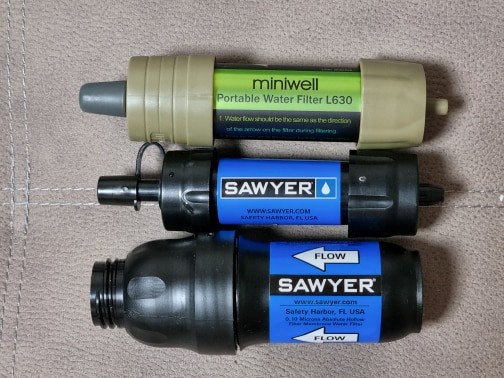
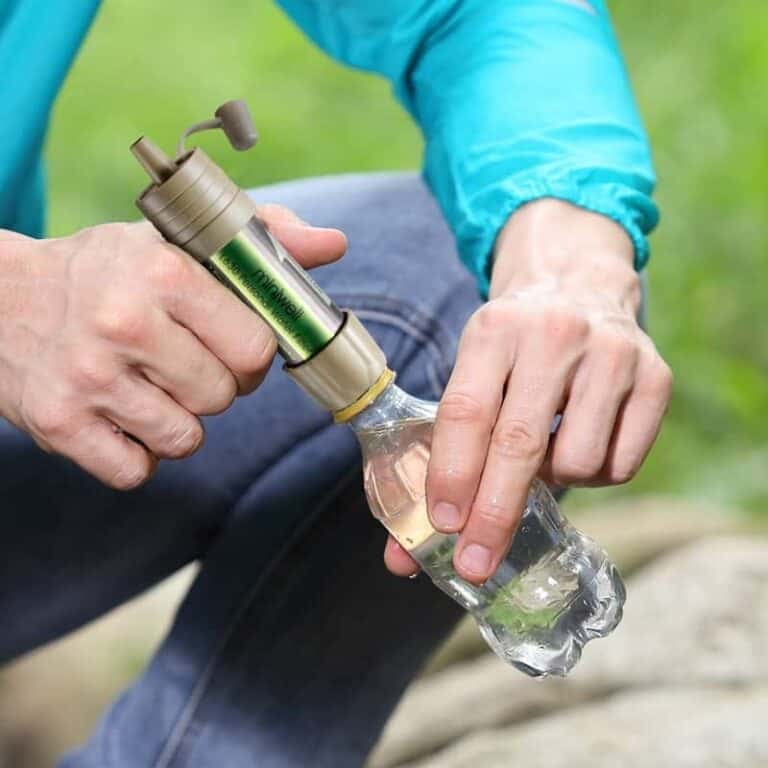
Straw-style portable water filters revolutionized the “fast and light” movement. These are compact, tube-like devices that allow you to drink directly from the source or a soft-sided squeeze bottle.
How They Work
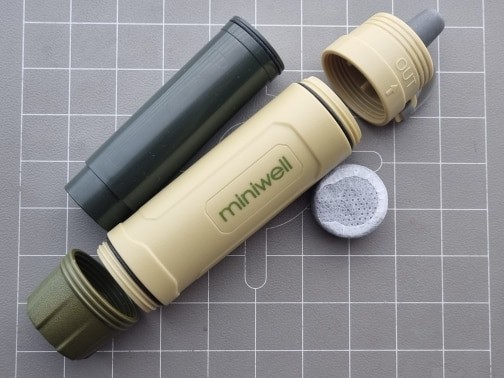
Most straws use hollow fiber membrane technology. When you suck on the straw (or squeeze a connected bottle), water is pulled through tiny pores that are small enough to block bacteria and protozoa but large enough to let clean water molecules through.
The Advantages
- Extreme Portability: Many weigh less than 3 ounces and can fit in a shirt pocket. This makes them the ultimate “emergency” tool.
- Instant Gratification: There is no setup. You just dip the straw and drink. For solo hikers who don’t want to stop for a 15-minute “filtration session,” this is a game-changer.
- Simplicity: With no moving parts, there is very little that can mechanically break.
The Drawbacks
- Source Access: You have to get your face very close to the water. If the bank is muddy or the water is deep, this can be precarious. (Note: Many modern versions now allow you to screw the straw onto a collapsible bottle to mitigate this).
- No Storage: A basic straw doesn’t “fill” a bottle; it only filters what you are currently drinking. This is a major liability if you are entering a long stretch of trail with no water sources.
- Suction Effort: Using a straw requires significant lung power, which can be annoying when you’re already out of breath from an uphill climb.
Direct Comparison: Which is Right for You?
To help you decide which of these portable water filters belongs in your pack, consider the following breakdown:
| Feature | Pump-Style | Straw-Style |
|---|---|---|
| Best For | Groups, basecamps, shallow water | Solo hikers, emergency kits, trail runners |
| Flow Rate | High (approx. 1L per minute) | Slow (limited by suction/squeeze) |
| Maintenance | High (requires scrubbing & lube) | Low (requires back-flushing) |
| Weight | 10–16 oz | 2–3 oz |
| Reach | Long (via intake hose) | Short (direct contact) |
The Verdict: Environment Over Aesthetics
The “best” filter is entirely dependent on your environment.
If you are trekking in the desert where water sources are tiny tinajas (potholes) or shallow seeps, a pump-style filter is nearly mandatory. A straw simply cannot reach the bottom of a shallow crevice to pull water out. Similarly, if you are the “designated water officer” for a family of four, you will lose your mind trying to filter 8 liters of water through a straw-style device.
However, if you are a solo thru-hiker in a water-rich environment like the Appalachian Trail or the Pacific Northwest, the straw-style (specifically when paired with a squeeze bottle) is hard to beat. It saves weight, reduces pack complexity, and allows you to hydrate on the move.
A Pro-Tip on Longevity
Regardless of which style you choose, sediment is the enemy. If the water looks like chocolate milk, use a bandana as a pre-filter. This simple step will prevent your pump from seizing up or your straw from clogging, ensuring that your lifeline stays open until you’re safely back at the trailhead.